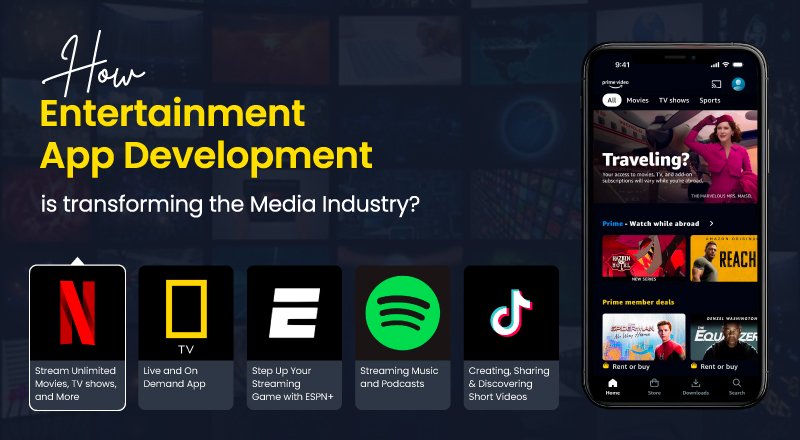
How Entertainment Platforms Are Adapting to User Demands
In the rapidly evolving landscape of digital entertainment, user expectations have shifted dramatically toward greater personalization, accessibility, and flexibility. As of 2026, consumers expect seamless experiences across devices, content that aligns with their tastes, and options that fit diverse lifestyles and budgets. This demand has pushed streaming services, gaming platforms, and content providers to innovate quickly. Factors such as widespread high-speed internet, the rise of mobile viewing, and the integration of artificial intelligence (AI) have accelerated these changes. Platforms now prioritize user retention over rapid subscriber growth, incorporating hybrid monetization models like ad-supported tiers and interactive features. In markets like India, regional storytelling and affordable access continue to drive adoption. These adaptations reflect a broader trend where entertainment is no longer passive consumption but an interactive, tailored experience that responds directly to audience preferences.
The Power of AI and Personalization
AI has become a cornerstone in how platforms meet user demands, transforming recommendations from generic suggestions to highly accurate predictions. Services analyze viewing history, search patterns, and even mood indicators to curate content that feels uniquely relevant. This level of personalization reduces churn by keeping users engaged longer. For instance, algorithms now suggest not just shows but also playlists or game modes based on real-time behavior. Beyond recommendations, AI assists in content creation, enabling faster production of trailers, subtitles, and even short-form videos tailored to viewer interests. This technology helps platforms stand out in a crowded market, where users juggle multiple subscriptions and seek value in every interaction.
Gaming Platforms Evolving with User Needs
The gaming industry has responded to demands for accessibility and social connectivity by expanding cloud-based and mobile-first options. Cloud gaming removes hardware barriers, allowing high-quality play on smartphones or low-end devices. This approach appeals to casual players who want instant access without investments in consoles. Developers are also incorporating user feedback through live updates and community-driven features, ensuring games evolve with player preferences. Trends like cross-platform play and esports integration further enhance engagement. These changes reflect a shift toward inclusive, always-available gaming that fits busy schedules.
Building Stronger Gaming Communities
Online communities play a vital role in shaping gaming experiences, providing spaces for discussion, strategy sharing, and collaborative play. Platforms that support user-generated content and forums foster loyalty by giving players a voice in development. These ecosystems help users discover niche titles and connect with like-minded individuals worldwide. For those exploring various game genres and seeking community insights on interactive entertainment, resources like f95zone offer detailed discussions, reviews, and alternatives that highlight emerging trends and user preferences.
Streaming Services Embracing Flexibility and Variety
Streaming platforms have adapted by introducing flexible viewing options, including ad-supported plans and bundled services that reduce costs for users. Short-form content has surged in popularity, with vertical videos designed for mobile consumption competing alongside traditional long-form series. Live events, such as concerts and sports, add immediacy and community feel to on-demand libraries. These features cater to diverse habits, from quick daily sessions to weekend binges. Platforms also experiment with interactive elements, like choose-your-own-adventure formats, to make viewing more engaging.
Enhancing HD and On-Demand Experiences
High-definition and ultra-high-definition streaming remain essential, with platforms optimizing for crisp visuals on various screen sizes. Adaptive bitrate technology ensures smooth playback regardless of internet speed, addressing user frustration with buffering. This focus on quality supports habits like watching on the go or during commutes. Users increasingly seek convenient ways to access extensive libraries of movies and TV shows in HD. Sites such as 123movies provide guidance on navigating these evolving options, helping viewers explore content that matches their preferences for seamless, high-quality streaming.
Bridging Cultures in Cinema
Online platforms have democratized access to global cinema, blending Bollywood’s vibrant narratives with Hollywood’s blockbuster appeal. This convergence allows audiences to discover regional stories alongside international hits, often through localized dubbing and subtitles. Collaborations between studios expand content variety, while algorithms promote diverse selections to broaden exposure. In India, the OTT boom emphasizes regional languages and cultural relevance, driving growth in subscriber bases. These efforts respond to demands for inclusive storytelling that reflects varied backgrounds.
Exploring Bollywood and Hollywood Content
The fusion of Eastern and Western cinema on digital platforms has created rich viewing opportunities. Bollywood films bring emotional depth and musical elements, while Hollywood offers high-production spectacles. Users appreciate the ability to switch between these worlds effortlessly, discovering new favorites through personalized feeds. For insights into Bollywood and Hollywood movies, including regional and international cinema, resources like Movierulz highlight trends and recommendations that help audiences navigate this diverse landscape.
Resources for Digital Entertainment Insights
Staying informed about these rapid changes can be challenging, but dedicated platforms make it easier by curating reliable information. One such resource is KulFiy, an online hub offering articles, reviews, guides, and updates on trending digital topics. It covers everything from streaming service comparisons to gaming innovations and content recommendations, presented in an accessible format. With a focus on emerging trends like AI personalization and hybrid models, KulFiy helps users make informed decisions in the fast-paced world of online entertainment. This makes it a valuable tool for anyone interested in understanding how platforms are evolving to meet modern demands.
Conclusion
Entertainment platforms in 2026 demonstrate a clear commitment to adapting through technology, flexibility, and user-centric design. AI-driven personalization, hybrid monetization, and inclusive content strategies address demands for convenience, variety, and engagement. Gaming has become more accessible via cloud and mobile innovations, while streaming services emphasize quality and interactive features. The blending of global cinema further enriches choices. These trends point to a future where entertainment feels tailored and responsive, fostering deeper connections between creators and audiences. As user preferences continue to evolve, platforms that prioritize adaptability will thrive, shaping the next era of digital media.