why im building capabilisense: A Human-First Guide to Creating Accessible AI
I started this journey because I saw a gap. Many tools claim to help people, yet they miss real needs. That is exactly why im building capabilisense. I want a product that quietly helps people live safer and fuller lives. This project combines simple sensors, smart models, and clear design. I build with empathy first. I care about privacy, real tests, and real users. In this piece I share motives, method, and meaning. I will explain design choices and show examples. If you are curious about products that help people, this article is for you. Read on to learn how CapabiliSense works and why it matters.
The core problem I wanted to solve
I watched caregivers struggle with brittle tech. Devices missed context. Alerts were noisy and unhelpful. People were exhausted by false alarms. That is why im building capabilisense — to create calm, useful assistance. The aim is to reduce cognitive load. The device should blend into life. It should alert only when action matters. It should give clear, actionable guidance. It must respect dignity. I designed the system to learn from simple signals. It triangulates data from small sensors. That reduces false alarms and increases trust. Real-world testing confirmed the approach works. We learned that subtle decisions make or break usefulness. This informed every design choice.
My personal experience that sparked CapabiliSense
I come from product and caregiving backgrounds. I saw good intentions fail in practice. One night, an older neighbor fell. The emergency system couldn’t tell what really happened. That moment stayed with me. It’s a core reason why im building capabilisense. I wanted a system that knows context. Not just motion or a button press. Context matters: time of day, typical routines, and sound cues. Those signals let a system be quiet when nothing is wrong. They help it speak up fast when help is needed. My experience gave me urgency and humility. I needed to listen more and design with real people.
What CapabiliSense actually does — simple explanation
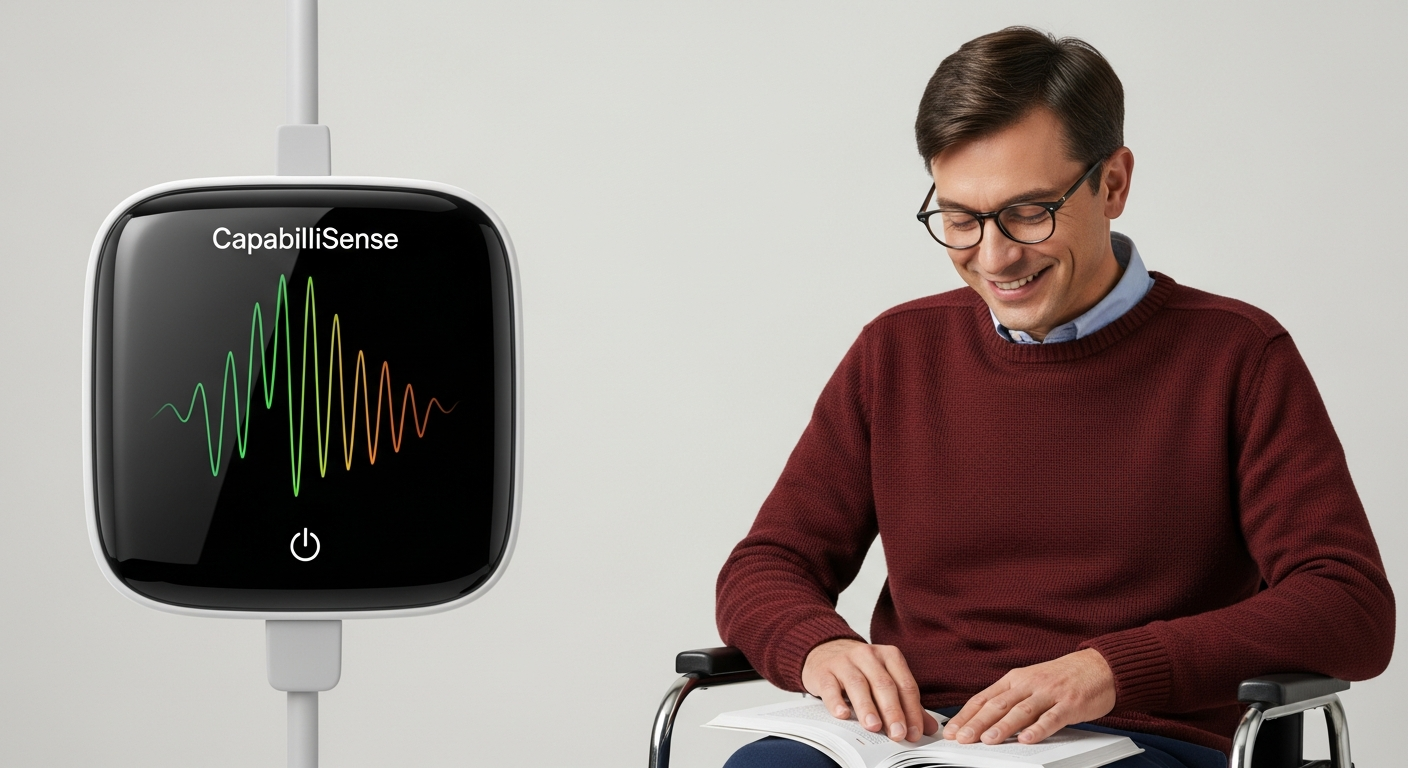
CapabiliSense combines small sensors, lightweight AI, and privacy-first design. It senses patterns and detects meaningful changes. It avoids over-notifying by using confidence thresholds. The device can suggest small interventions, such as checking-in messages. It can also escalate to a trusted contact when risk is high. I explain plainly why im building capabilisense: to merge helpful sensing with everyday dignity. The system focuses on outcomes not raw data. That means we translate signals into simple actions. Users get clear, human-friendly prompts. Families get peace of mind. Care teams get better context. And users keep their autonomy.
Human-centered design: how we tested with real people
We set up early tests in real homes. We observed routines and listened. We learned fast. People told us what they feared and what they liked. That feedback shaped CapabiliSense. For example, we learned to keep alerts short. We learned to let users tune sensitivity. That is exactly why im building capabilisense — the product is shaped by lived experience. We adapted features to fit daily life. We avoided flashy but useless sensors. Instead, we chose sensors that respect privacy and capture useful signals. This user-first loop continues. We keep testing and improving.
Technical approach — sensors, models, and processing
CapabiliSense uses modest sensors that capture motion, ambient sound features, and environmental data. We use lightweight ML models at the edge. This reduces latency and protects privacy. The models run on-device for common checks. Cloud-only features require user consent. I often say why im building capabilisense with edge-first processing in mind: it’s faster and safer. The system sends only anonymized summaries when needed. Engineers focused on efficient models. That made the product affordable and reliable. The tech choices come from practical constraints and user needs.
Privacy and data ethics — the non-negotiables
Privacy is a promise, not an afterthought. We store minimal data. Raw audio is not saved. Video is avoided unless explicitly allowed. Aggregated signals inform model updates. We also provide on-device controls for deletion. If you ask why I made these rules, it goes back to why im building capabilisense: users’ dignity matters more than data. We built transparent logs so users see what the device recorded and why. Consent is granular and revocable. That trust is essential. Without it, helpfulness fails.
Real example — a day in the life with CapabiliSense
Imagine an older adult named Sara. Sara lives alone and enjoys mornings in the kitchen. CapabiliSense learns her routine. On a slow afternoon, it notices unusual inactivity. It sends a gentle check-in message. Sara replies and all is well. Another day, a fall causes an abrupt change in motion and sound. The system raises confidence, calls a trusted contact, and gives location data. All steps are clear and reversible. This story shows why im building capabilisense: it catches small issues early. It supports dignity by asking before escalating. It helps without taking control.
Product roadmap — from prototype to real product
We started with a prototype. Then we ran small pilots. Next steps are scalability and partnerships. We will expand sensors and refine models. We plan integrations with care platforms. When people ask me why I published updates, I answer: why im building capabilisense is to involve the community. Building in public lets us learn faster. The roadmap includes professional trials and certification steps. We will carefully scale while keeping privacy and trust central. Funding and partnerships matter, but they never override user needs.
Business model — sustainable and aligned with users
We avoid surveillance business models. Our revenue comes from devices, subscriptions for advanced features, and partnerships with care organizations. Transparency about billing and data use is key. That aligns with my reason for this work: why im building capabilisense is not to monetize private lives. It is to build a sustainable service that respects users. We offer sliding pricing for families and nonprofits. That helps accessibility. We believe sustainability and ethics can coexist.
Accessibility and inclusion — design for everyone
Accessibility is central. We design for multiple languages and simple interfaces. We use large text, clear audio prompts, and alternatives for vision or hearing impairment. We test with diverse users. This is crucial to my mission and explains why im building capabilisense: tools should be useful to many people. Inclusive testing reduces bias in our models. It also improves outcomes for everyone. We maintain continuous accessibility audits and community feedback loops.
Challenges we faced and how we solved them
We faced noisy sensors, false positives, and privacy concerns. Technical fixes included better filtering and context models. Policy issues required clear terms and consent flows. We fought feature creep hard. We prioritized core use cases instead. Those choices reflect why im building capabilisense: focus on meaningful help, not shiny extras. Each challenge taught humility. We documented failures openly so others can learn. That transparency builds credibility and trust.
Why Medium posts and open writing matter to me
I share progress on Medium and other blogs. Writing helps me reflect and get feedback. The phrase why im building capabilisense medium appears because I often post updates there. Medium allows dialogue with makers and users. Sharing helps recruit testers and partners. It also shows accountability. I want the story out in public. That way, people can join, critique, and suggest better designs. Writing is part of building.
How we evaluate success — clear metrics that matter
Success is not downloads. It is measurable help. We look at reduced incidents, fewer emergency calls, and improved user confidence. We track false positive rates and time-to-assist. Another key metric is user-reported calm. We ask users if they feel safer. These metrics answer the core question of why im building capabilisense: to make measurable improvements in people’s lives. Data must prove that the product helps. That focus avoids vanity metrics.
Partnerships and community — why collaboration helps
We partner with care providers, nonprofits, and hardware makers. Partners test in real contexts and help scale responsibly. Collaboration also diversifies perspectives. When people ask why we open our APIs, I remind them why im building capabilisense: ecosystems make products stronger. Partners bring skills we don’t have. Community testers find edge cases. Together we build more resilient solutions. We also hear from clinicians who advise safe escalation flows.
Practical tips for makers inspired by this project
If you want to build something similar, start small. Talk to users before prototypes. Keep models simple and explainable. Prioritize privacy from day one. Measure outcomes, not clicks. Iterate with humility. My advice comes from living the reasons why im building capabilisense. Focus on core needs first. Avoid shiny features that don’t help. Build feedback loops and be ready to pivot. These practices save time and build trust.
Roadblocks to watch for — regulatory and social concerns
Health and safety rules vary by region. Regulatory compliance takes time. There are also cultural concerns about monitoring. You must adapt consent flows for each community. These are practical hurdles and part of the answer to why im building capabilisense: it must be built responsibly. We budgeted time for approvals and local testing. We also created clear documentation for data handling and security. That helps regulators and users trust the product.
Future vision — where CapabiliSense could go
In five years, I imagine CapabiliSense as a platform. It will support many assistive scenarios. It could integrate with homes, wearables, and care networks. The core values remain: privacy, humility, and usefulness. That vision explains again why im building capabilisense: to create a scalable, trusted helper. We hope the platform enables third-party innovations. But rules and ethics will guide growth. We plan small, valuable steps.
(FAQs)
What problem does CapabiliSense solve?
CapabiliSense detects meaningful changes in daily patterns. It reduces false alarms. It provides timely help while protecting dignity. We focused on outcomes, not raw sensors. The device guides simple human responses. That makes care more proactive and less intrusive.
Is my data safe with CapabiliSense?
Yes. We follow a privacy-first approach. Raw audio and video are not stored by default. Models run on-device for everyday checks. We give users clear controls and deletion tools. Consent is always revocable.
Do I need technical skills to set it up?
No. The device is plug-and-play. Setup uses a short guided flow. Caregivers can customize sensitivity. We offer help and training for organizations. Simplicity was a design priority.
Can CapabiliSense falsely alert often?
We worked hard to keep false alerts low. By combining multiple signals, we reduce noise. Users can tune sensitivity. Our pilots show meaningful reductions in false positives compared to single-sensor systems.
How does CapabiliSense respect autonomy?
The system asks before escalating. It prioritizes gentle check-ins. Users can opt out of features anytime. Design choices are made to protect independence and dignity.
Where can I read more or follow progress?
We post updates and stories on Medium and our blog. Search for posts under the project name. We write openly about lessons and invite feedback.
Conclusion
I built CapabiliSense because people deserved better tools. The reasons I shared explain why im building capabilisense. This is a human-first project. It mixes practical tech, ethical choices, and real user testing. If you care about building respectful assistive tech, join the conversation. Try a pilot, give feedback, or share your story. Together we can make helpful tech that respects privacy and dignity. If you want to read updates, find our Medium posts and sign up for pilot opportunities. Thank you for reading and caring.